Healthy aging is about more than adding years to life. It is about maintaining the strength, health, and independence to make those years meaningful. And increasingly, nutrition is being recognized not simply as part of a healthy lifestyle, but as an important component of health and healthcare.
This idea is at the heart of the Food is Medicine movement, which recognizes the connection between access to nutritious food and health outcomes. For older adults, that connection is especially important. Balanced, nutrient-dense meals can support physical health, chronic condition management, cognitive wellness, and the ability to remain independent.
Nutritional Needs Change with Age
As the body ages, nutritional needs naturally change. Older adults often require fewer calories while continuing to need the same, or greater, amounts of essential nutrients, including protein, vitamins, and minerals.
At the same time, changes in appetite, chronic health conditions, medication interactions, mobility limitations, and access to food can make it more difficult to consistently meet those needs. These challenges can increase the risk of malnutrition and contribute to muscle loss, fatigue, weakened immunity, and declining health.
Providing meals that are nutritionally balanced and designed with the needs of older adults in mind can play an important role in addressing these challenges.
Nutrition Supports Strength and Independence
For older adults, maintaining strength and mobility is closely connected to maintaining independence.
Protein supports muscle mass and function. Calcium and vitamin D contribute to bone health. Fiber supports digestive and heart health, while nutrients such as potassium and healthy fats contribute to overall wellness.
Consistent access to balanced meals can support older adults in staying active, completing everyday activities, and continuing to live as independently as possible.
This is where nutrition becomes more than what is on the plate. It becomes part of supporting quality of life.
Food Is Medicine: Connecting Nutrition and Health
The growing Food is Medicine movement reflects a broader understanding that nutrition can play an important role in preventing, managing, and responding to diet-related health conditions.
For older adults living with diabetes, cardiovascular disease, kidney disease, or other chronic conditions, nutritional needs can become even more specific. Meal programs that incorporate condition-appropriate nutrition, including medically tailored meal approaches when appropriate, can extend nutrition support beyond general wellness.
This connection between food and health is also creating new opportunities for community-based organizations, healthcare providers, health plans, and nutrition partners to work together to address health through access to nutritious meals.
Nourishing Cognitive Wellness
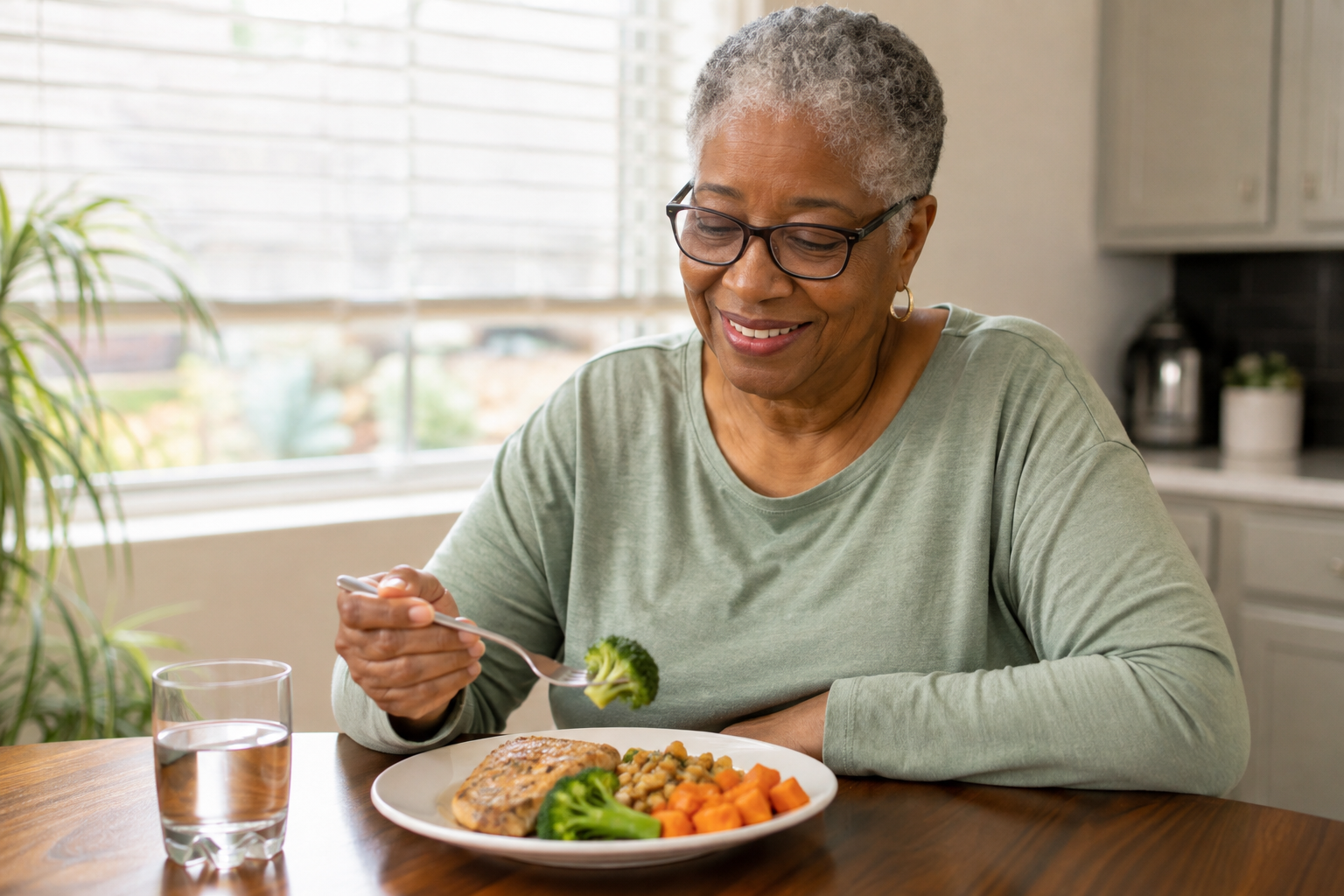
Nutrition also plays an important role in cognitive health. Eating patterns that incorporate fruits, vegetables, whole grains, lean proteins, and healthy fats provide nutrients associated with brain health and cognitive function.
Omega-3 fatty acids, antioxidants, and B vitamins are among the nutrients that have been studied for their roles in supporting memory, concentration, and long-term cognitive wellness.
Combined with physical activity, quality sleep, and meaningful social connection, nutrition becomes an important part of a broader approach to healthy aging.
Community Nutrition Programs Are Part of the Health Equation
As the older adult population continues to grow, access to nutritious meals will become increasingly important.
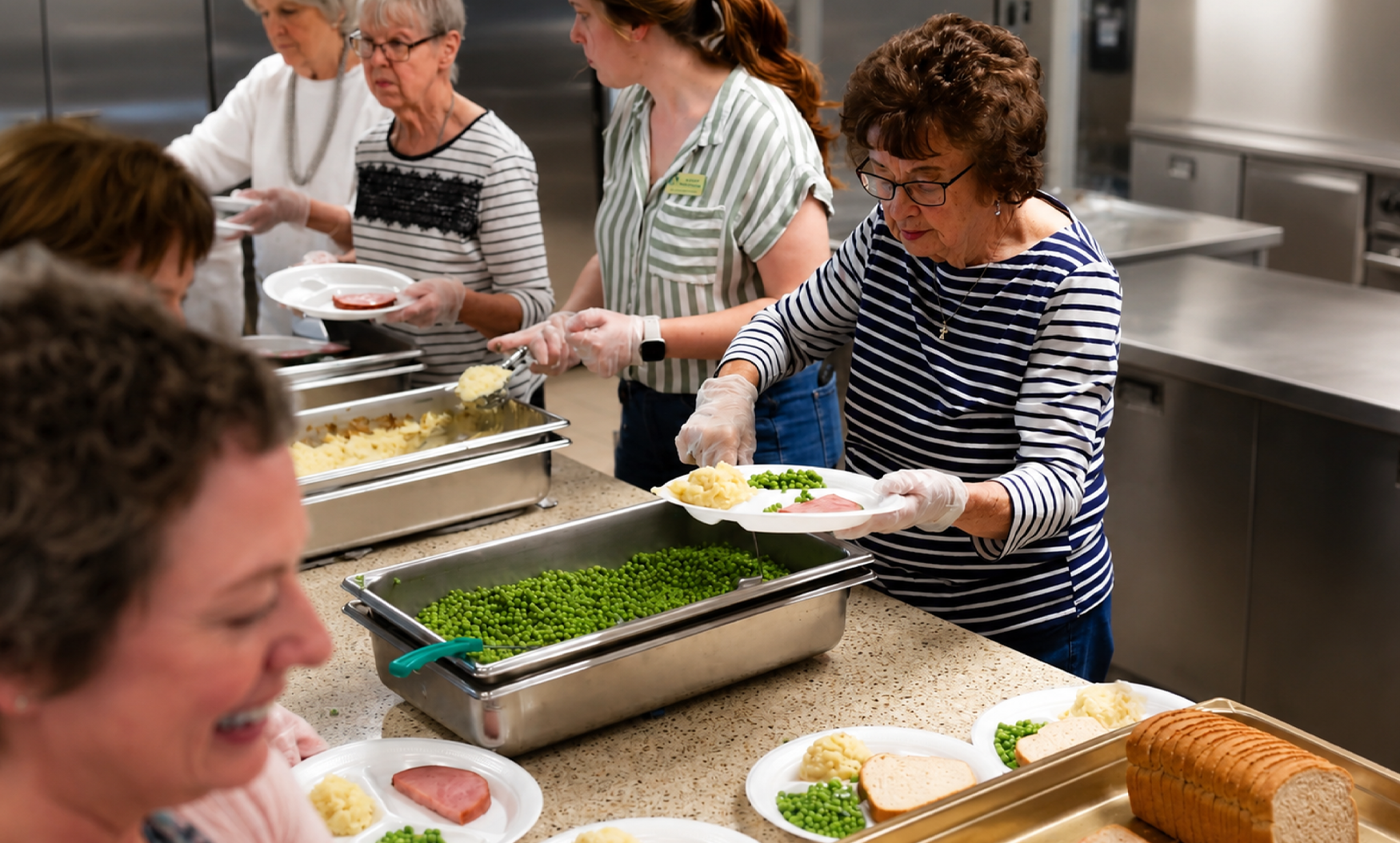
Community nutrition programs are uniquely positioned at the intersection of nutrition, health, and independence. Home-delivered and community-based meal programs can address food insecurity while providing consistent access to balanced meals designed around the nutritional needs of older adults.
Their impact can extend even further when nutrition is connected with education, wellness initiatives, social connection, and partnerships with healthcare and community organizations.
Through a Food is Medicine lens, these programs are not simply providing meals. They are part of a broader approach to supporting healthier individuals and communities.
Advancing Healthy Aging Through Nutrition
Nutrition is not just one piece of healthy aging. It is a critical part of supporting health, independence, and quality of life.
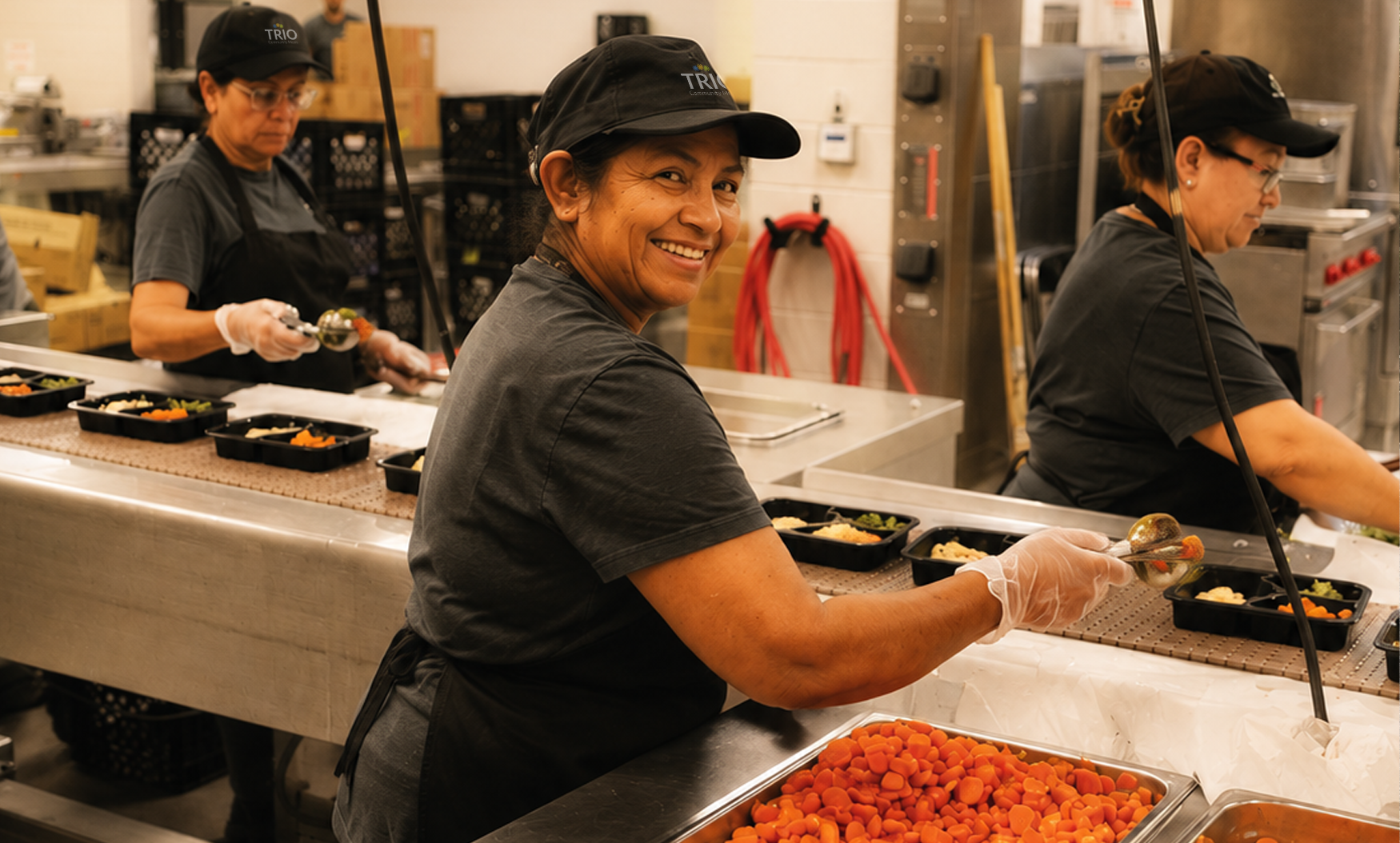
At TRIO Community Meals, we work alongside organizations across the country to deliver nutrition programs designed around the people and communities they serve. From balanced everyday nutrition to specialized and medically tailored meal solutions, our approach brings together culinary innovation, dietitian expertise, and reliable meal service.
As the connection between food and health continues to shape the future of community nutrition, we are committed to partnering with organizations to build programs that support healthier aging and extend the impact of nutrition beyond the plate.
Explore how TRIO Community Meals can support your organization with nutrition solutions designed for the evolving needs of older adults.