Senior nutrition programs share a common goal: providing older adults with reliable access to nutritious meals. But how programs accomplish that can look very different from one community to another.
Some programs operate local kitchens and prepare hot meals each day. Others incorporate frozen meals to reach participants across larger geographic areas or provide greater flexibility. Congregate dining creates opportunities for nutrition and connection, while shelf-stable meals can strengthen emergency preparedness. For many organizations, the right approach may include a combination of meal formats and service models.
There is no single model for serving every community. Building a strong senior nutrition program starts with understanding the people being served and creating an approach around their needs.
Meeting Different Needs in Different Ways
Senior nutrition programs operate in communities of all sizes, from densely populated cities to rural areas where participants may live miles apart. Each program also has its own resources, infrastructure, funding requirements and operational considerations.
The needs of older adults can vary just as much.
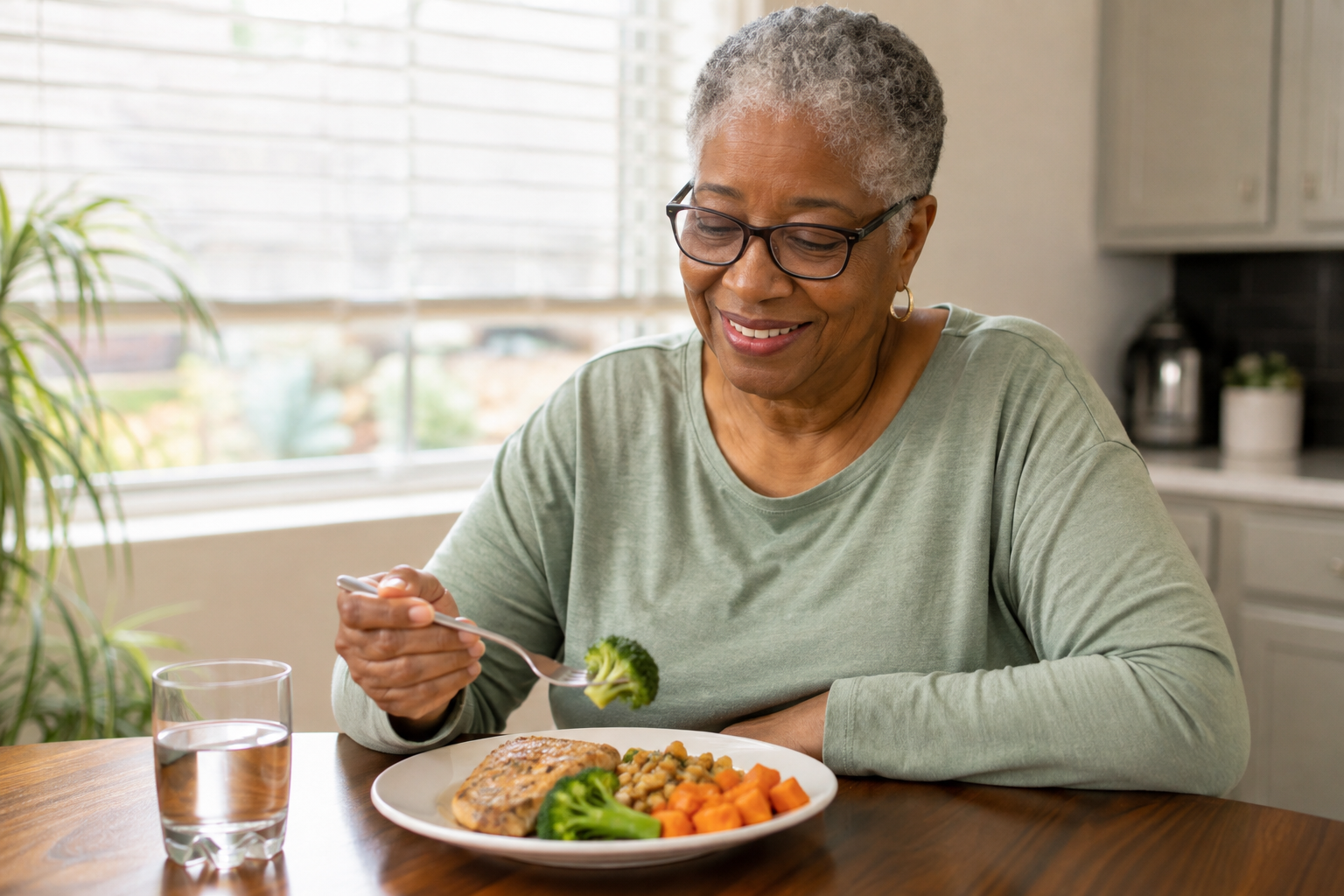
Some individuals may benefit from daily home-delivered meals, while others prefer congregate dining or greater flexibility around when they receive and eat their meals. Dietary needs, cultural preferences, transportation access and geographic location can also influence the type of meal service that works best.
Offering multiple approaches gives programs greater flexibility to respond to those differences rather than relying on a single solution for every participant.
The Value of Hot Meal Programs
For many senior nutrition programs, locally prepared hot meals remain an important part of daily service.
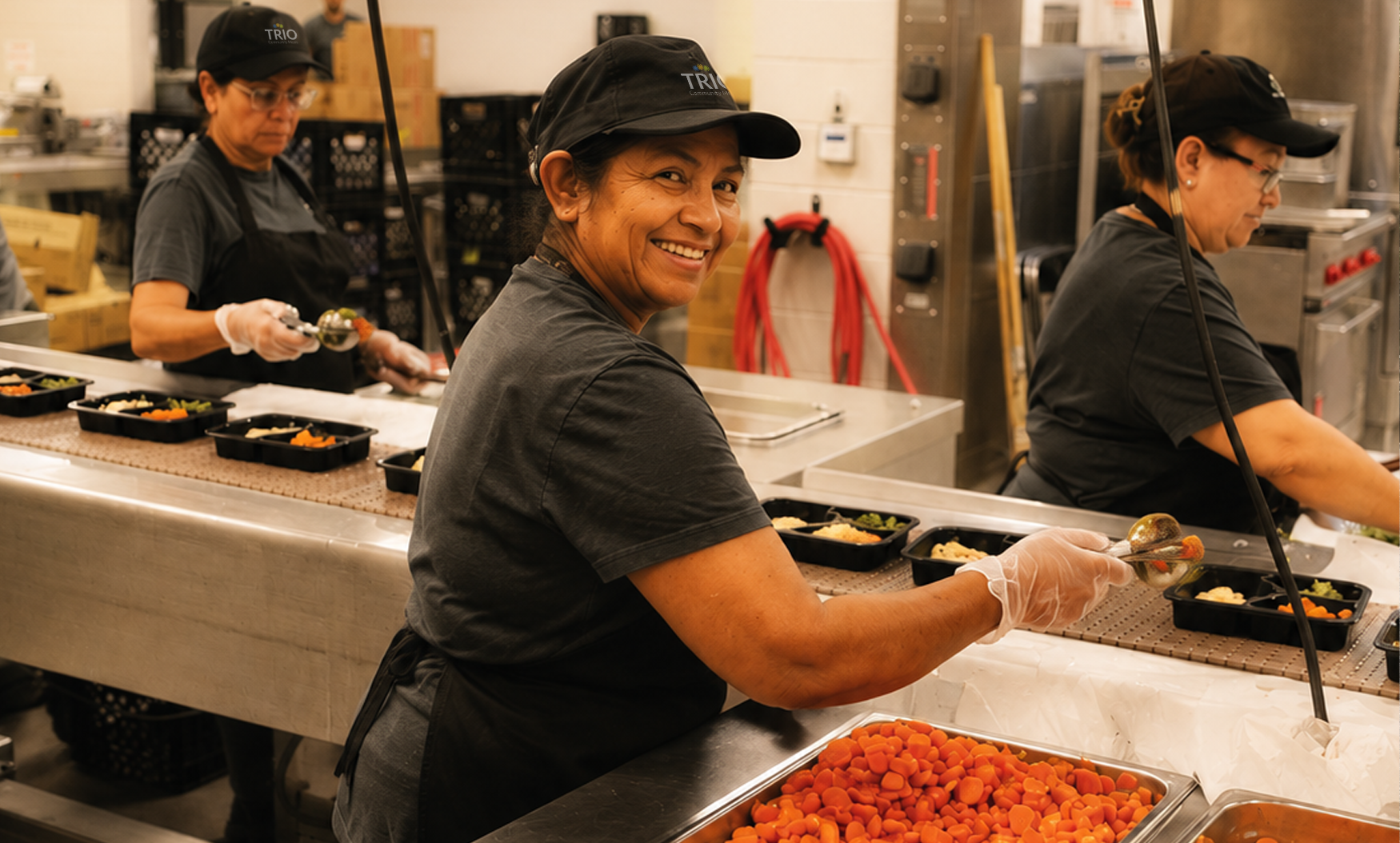
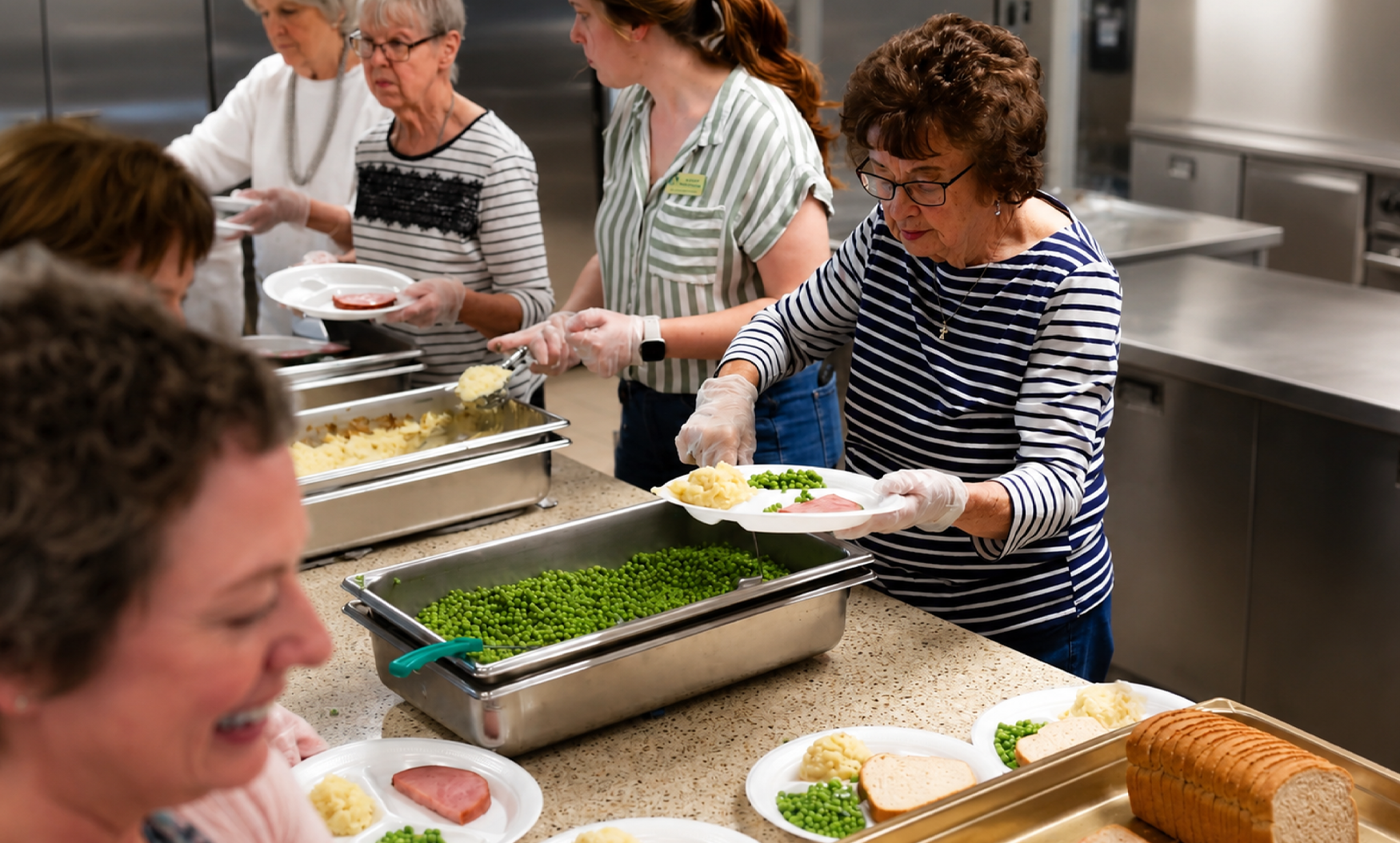
Operating a local kitchen gives programs the ability to prepare meals close to the communities they serve while supporting consistent production and delivery. Hot meal programs can also create regular touchpoints with older adults through home delivery and opportunities for connection through congregate dining.
Strong kitchen operations require much more than preparing food. Menu planning, nutrition standards, food safety, procurement, staffing, production, transportation, and delivery all have to work together to provide consistent service each day.
When those pieces are aligned, a local kitchen can serve as the foundation of a reliable nutrition program.
Adding Flexibility with Frozen Meals
Frozen meals can complement hot meal programs by giving organizations another way to serve older adults when daily preparation or delivery may not be the best fit.
For example, frozen meals may be incorporated into service for weekends and holidays, used to reach participants across rural or geographically dispersed communities, or provided when a participant prefers greater flexibility around mealtimes.
They can also give programs additional options as participation changes or service areas expand.
The value is not in choosing frozen meals instead of hot meals. It is in having another meal format available when it better aligns with the needs of the program or participant.
Planning for Different Nutrition Needs
Flexibility is also about what is on the menu.
Older adults are not a single population with identical nutritional needs. Programs may serve individuals with different dietary requirements, health needs, cultural backgrounds, and food preferences.
As senior nutrition continues to evolve, programs have an opportunity to consider how menus and meal formats can reflect those differences. This may include culturally relevant meals, modified diets, medically tailored meals, and other specialized nutrition options.
Dietitians and culinary teams play an important role in bringing these considerations together, balancing nutrition requirements with meals that are appealing and appropriate for the people being served.
Preparing for the Unexpected
A flexible meal program should also account for circumstances that cannot always be predicted.
Severe weather, transportation disruptions, kitchen interruptions, and other emergencies can affect normal operations. Shelf-stable and frozen meals can be incorporated into preparedness plans so programs have additional options available when regular service is disrupted.
Planning for these situations in advance gives organizations greater flexibility to maintain access to nutrition when circumstances change.
Building the Right Meal Program
The right senior nutrition strategy does not have to center on one meal format or one method of service.
Hot meals, frozen meals, shelf-stable options, congregate dining and home-delivered meals can each serve a different purpose. The opportunity is to determine how those solutions can work together to meet the needs of the community while supporting reliable, efficient operations.
At TRIO Community Meals, we understand that every senior nutrition program is different. We work alongside our partners to develop solutions around the communities they serve, from operating local kitchens and preparing hot meals to providing frozen, shelf-stable, and specialized meal options.
Because creating a strong nutrition program is not about finding one way to serve. It is about having the flexibility to serve people in the ways that work best for them.
Every community has different needs. TRIO Community Meals works alongside senior nutrition programs to develop flexible meal solutions, from local kitchen operations and hot meals to frozen, shelf-stable, and specialized options.