
Why Brain Health Matters for Older Adults
- Maintain Independence: Clear thinking helps with planning, organizing, and decision-making, allowing older adults to live independently for longer.
- Boost Cognitive Function: Strong brain health supports sharper memory and better focus.
- Enhance Quality of Life: By protecting cognitive abilities, older adults can continue enjoying hobbies and meaningful activities.
- Support Emotional Wellness: Managing stress, loneliness, and depression promotes mental resilience and protects memory.
- Improve Movement and Senses: Brain health influences balance, coordination, vision, and hearing.
- Lower Risk of Cognitive Disorders: Healthy habits can help build cognitive reserves and reduce the likelihood of dementia or Alzheimer’s disease.
Key Habits that Strengthen Brain Health
- Eat Well & Stay Active: A nutrient-rich diet and regular exercise reduce risks of chronic conditions that affect the brain.
- Stay Mentally Engaged: Learning new skills, reading, or socializing keeps the mind sharp.
- Prioritize Restful Sleep: Aim for 7-9 hours each night to boost memory and brain function.
- Manage Stress: Mindfulness and relaxation techniques reduce anxiety and protect cognitive health.
- Stay Connected: Social engagement prevents isolation and supports thinking skills.
- Manage Medical Conditions: Controlling diabetes, high blood pressure, and cholesterol is critical for preventing brain damage or stroke.
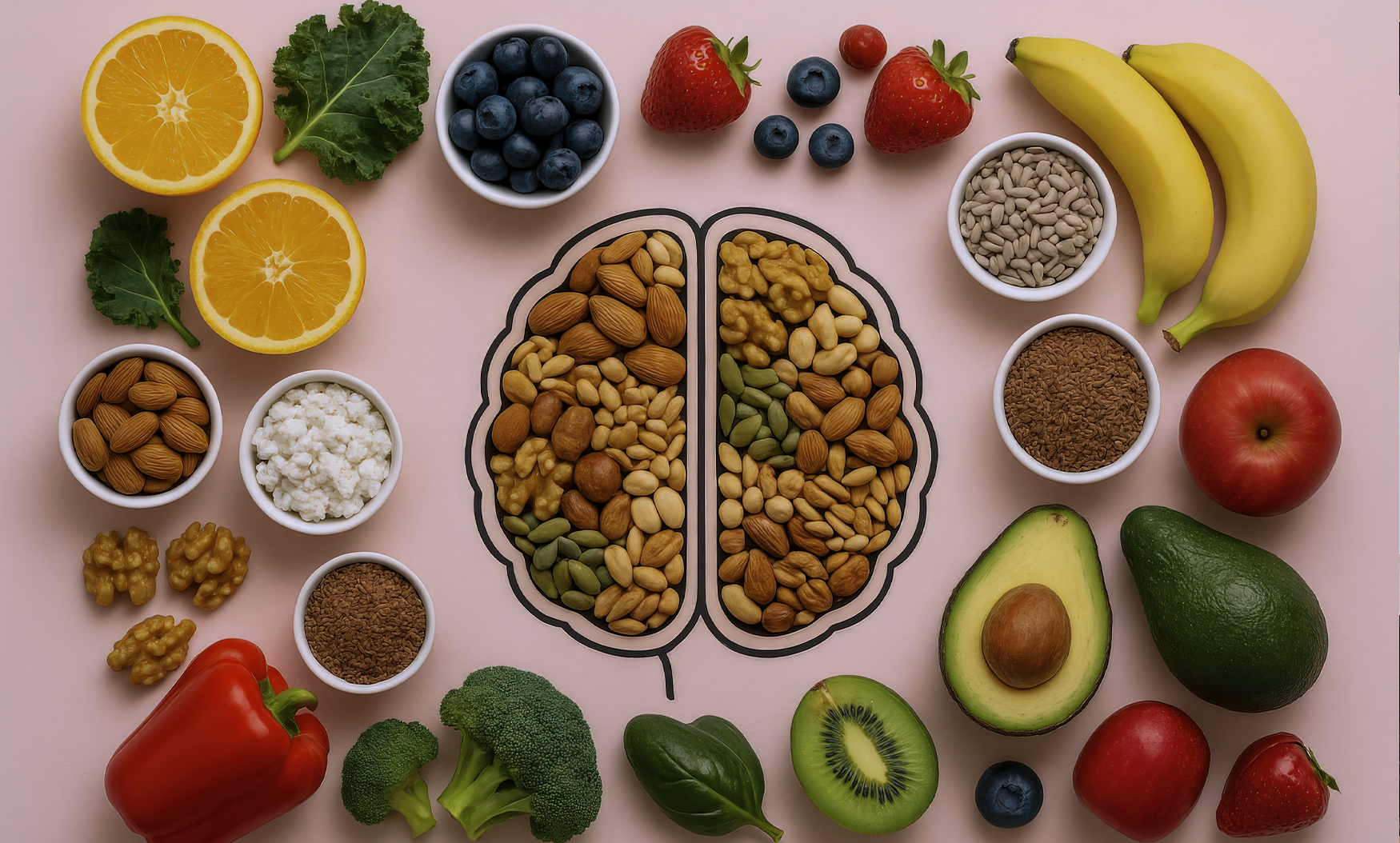
Foods that Fuel Cognitive Function
- Fatty Fish: Rich in omega-3 fatty acids that support brain cell development and protect against decline.
- Leafy Greens: Provide folate, vitamin K, lutein, and antioxidants that slow cognitive aging.
- Berries: Packed with flavonoids that improve memory and thinking skills.
- Nuts and Seeds: Deliver omega-3s and vitamin E, both linked to sharper memory.
- Avocados: A source of healthy fats, vitamin K, and folate for better brain function.
- Eggs: Provide protein and vitamin D that support overall brain health