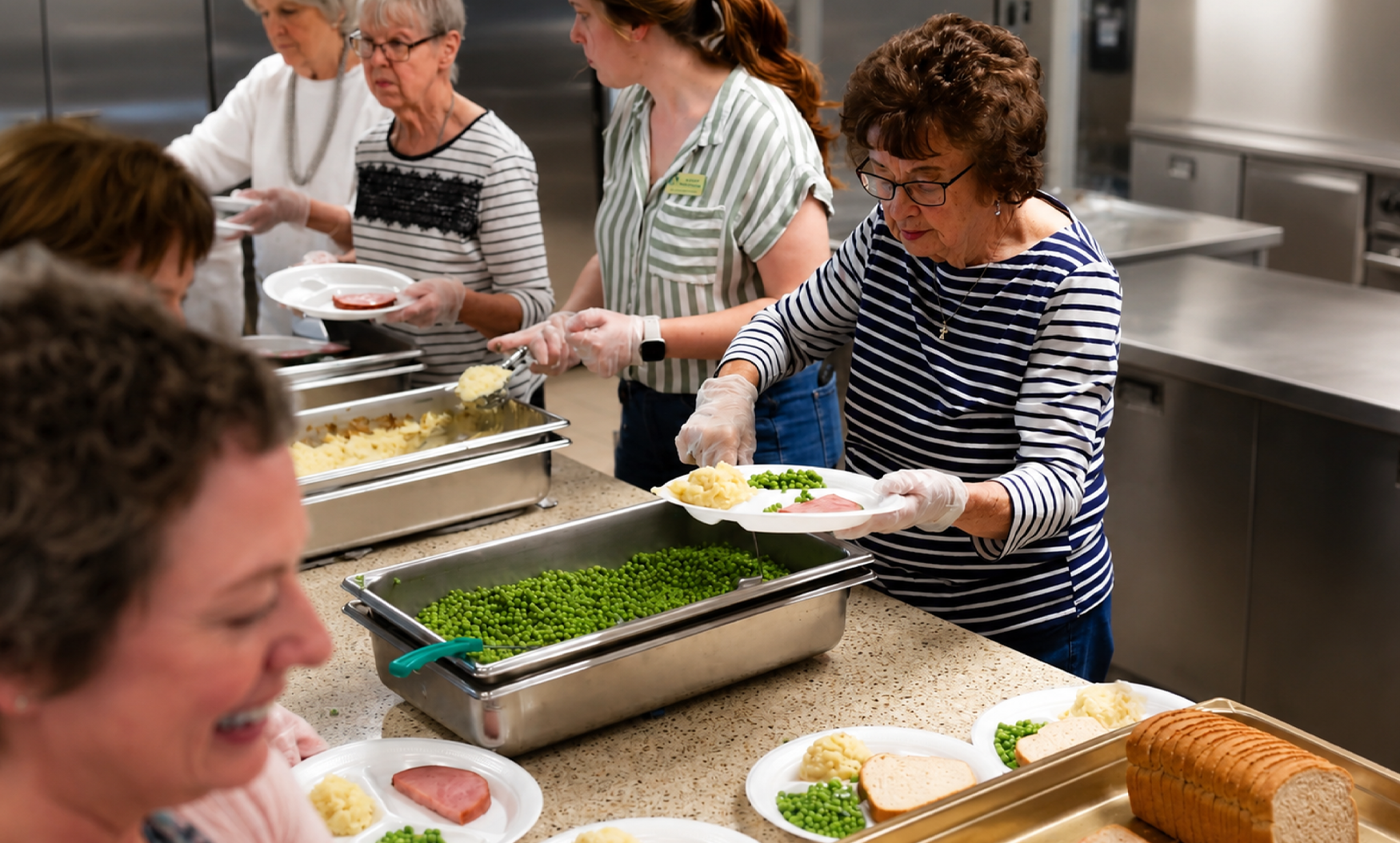
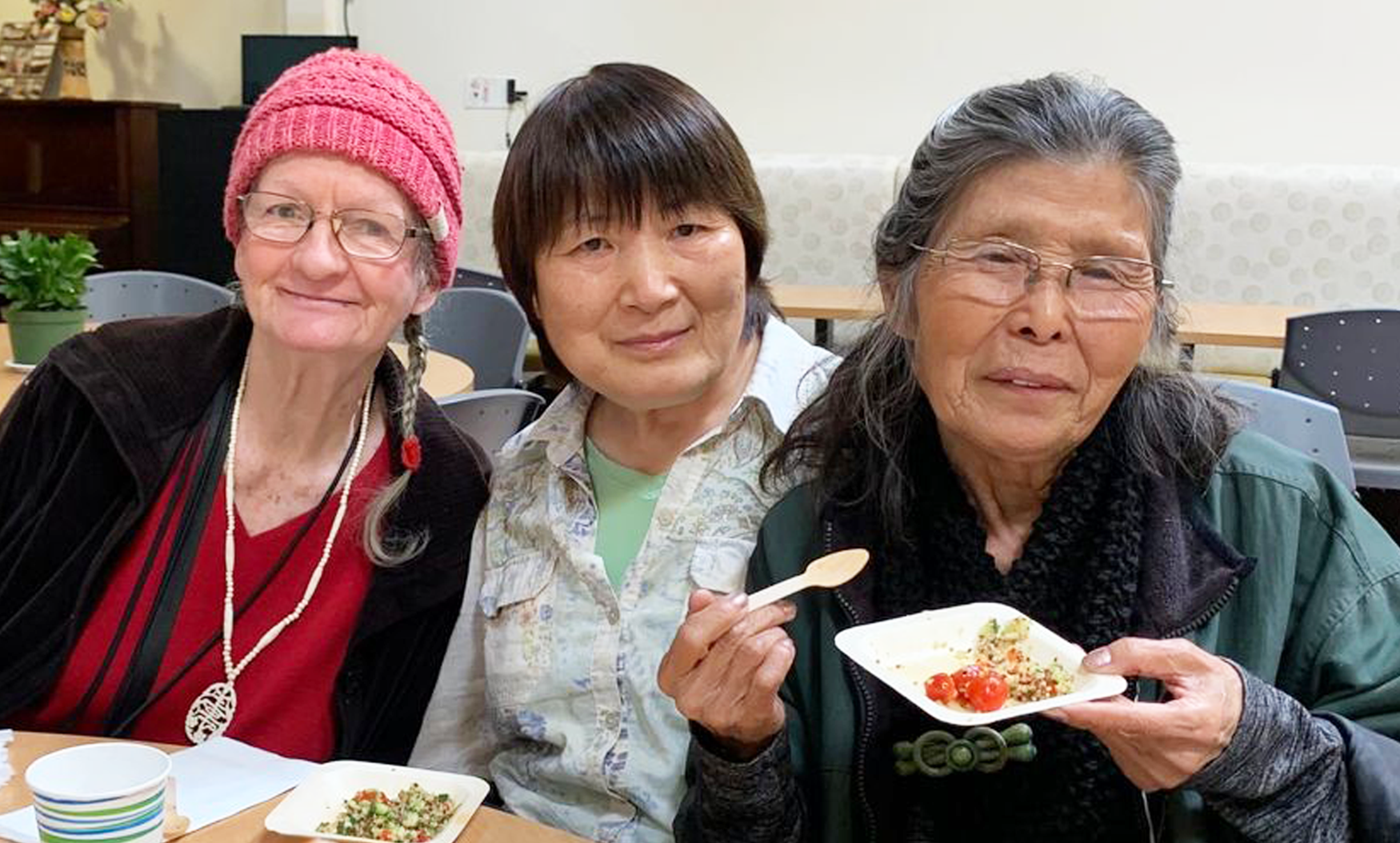
Each May, Older Americans Month invites us to reflect on the contributions, resilience, and experiences of older adults across the country. It is a time to celebrate, but also a time to listen, learn, and respond to evolving needs.
Across communities, the landscape of aging is shifting. More older adults are living longer, managing chronic conditions, and navigating rising costs of living. At the same time, senior nutrition programs are facing increased demand, workforce challenges, and funding constraints. In this environment, one thing is clear: meals are no longer just a service–they are a touchpoint for health, connection, and independence.
More Than Nutrition: A Foundation for Well-Being
For many older adults, daily meals provide structure, reassurance, and a sense of continuity. They support the management of chronic conditions, help reduce hospitalizations, and enable individuals to remain in their homes. Just as importantly, they offer something less measurable, but equally essential: comfort, dignity, and connection.
When meals are consistent, culturally familiar, and tailored to individual needs, they become something to look forward to, not just something to rely on, which influences participation, satisfaction, and overall well-being.
Responding to Growing and Changing Needs
Today’s older adult population is more diverse than ever before. Preferences, health needs, and expectations vary widely across communities.
Programs that recognize this are seeing meaningful results. Culturally inspired menus, flexible delivery models, and personalized meal options help increase engagement and reduce barriers to access. At the same time, innovations in operations, from production to route optimization, are helping programs do more with limited resources.
These approaches are more than efficient. They are about meeting people where they are and adapting services to reflect real lives and real needs.
The Role of Partnership in Strengthening Programs
Strong partnerships between community-based organizations, providers, and industry leaders are essential to sustaining and evolving senior nutrition programs. By sharing expertise, resources, and best practices, partners can identify practical solutions that make a measurable difference.
Whether it’s introducing new menu offerings or supporting workforce development, collaboration enables programs to move forward with confidence. Small, thoughtful changes can lead to meaningful improvement in service delivery and participant experience.
Advocacy That Centers People
Older Americans Month is also an opportunity to elevate the importance of continued investment in senior nutrition programs. Meals are one of the most effective, evidence-based interventions available to support healthy aging. They reduce strain on healthcare systems, improve quality of life, and support individuals in maintaining independence. Yet, they are often undervalued or underfunded.
Advocacy efforts that center on the lived experiences of older adults, highlighting not just the need but the impact, are crucial. When policymakers and stakeholders understand that meals support more than nutrition, they are better positioned to support sustainable solutions.
Looking Ahead
The challenges facing senior nutrition programs are real, but so is the opportunity.
Across the country, programs are finding new ways to adapt, innovate, and strengthen their services. They are proving that even in times of constraint, it is possible to deliver meals that nourish the body and raise spirits.
This Older Americans Month, the message is clear: we must come together to ensure every meal supports not just health but dignity, connection, and the ability to thrive at any age. Connect with us to learn how we can support your program this month and beyond.