Why Nutrition is More Than a Meal
When it comes to meal service programs, especially those serving older adults, stigma can often be attached to every meal. Some individuals worry that accepting meals signals dependency, that the food won’t taste good, or that they may be judged for needing support. Others may feel disconnected if meals don’t reflect their cultural traditions or personal preferences.
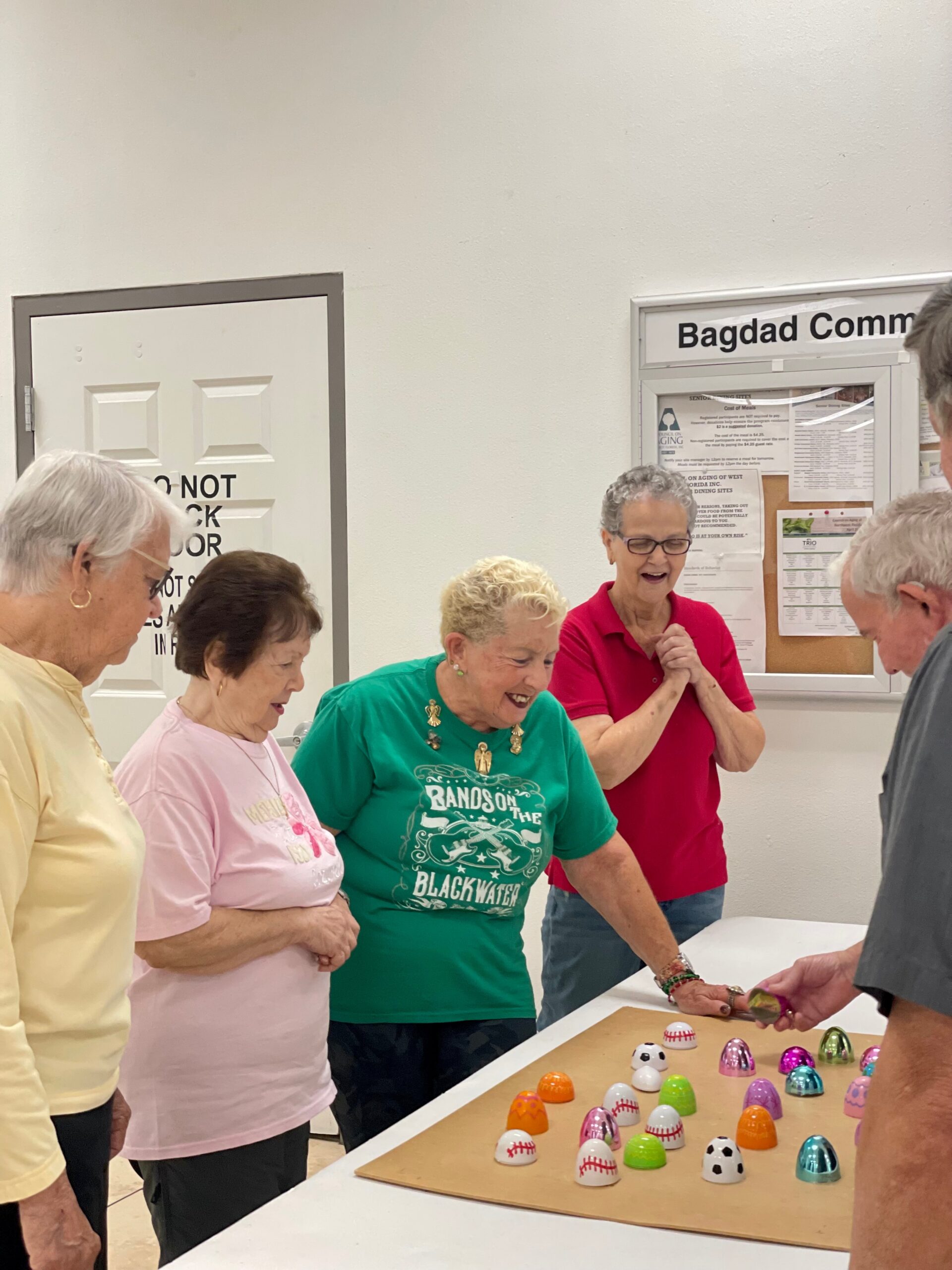
Food, however, is about much more than nutrition. It carries emotional and social meaning. A single meal can spark a memory, provide comfort, or bring people together around a table at a congregate site.
At TRIO, we are committed to combating these common stigmas through dignity, choice, and respect in every meal served. Addressing stigma through thoughtful menu design, inclusive language, appealing presentation, and meaningful choice helps to:
- Increase participation and satisfaction
- Strengthen trust with communities
- Reinforce dignity, autonomy, and respect
Recognizing Stigma in Meal Services
To effectively address stigma, it’s important to recognize how it appears in senior and community-based programs. Language and visual cues play a powerful role in shaping perceptions.
Terms like “special diets” or “restricted meals” can feel clinical or limiting, while packaging and labeling that looks institutional may reinforce negative assumptions. Even before the first meal is delivered, stigma can shape expectations.
When participants believe meals will be bland, impersonal, or restrictive, they may:
- Approach meals with skepticism or disappointment
- Eat only part of the meal or skip components altogether
- Feel disconnected from the food experience
This can lead to reduced satisfaction, increased food waste, and a loss of nutritional benefits.
The Impact of Stigma on Health and Engagement
When stigma discourages consistent participation or adherence, health outcomes are directly affected. Poor or inconsistent intake can:
- Worsen chronic conditions
- Contribute to fatigue, weakened immunity, or unintended weight loss
- Reduce appetite, especially among older adults
As a result, the core clinical goals of meals–stability, strength, and disease management–become harder to achieve.
Why Reducing Stigma Builds Trust and Long-Term Engagement
Reducing stigma isn’t just about improving perception; it’s about building lasting relationships. When meals are designed and presented with respect, participants feel:
- Valued rather than “served”
- In control of their choices
- Recognized as individuals with preferences, traditions, and pride
This dignity-centered approach strengthens trust between participants and providers. Over time, respectful language, culturally familiar foods, and inviting presentation:
- Build confidence in meal quality
- Reinforce that programs exist for participants, not over them
- Encourage open communication and feedback
When stigma is removed, meals become something to look forward to, not something to hide. Participants are more likely to:
- Eat meals regularly and completely
- Remain enrolled longer
- Recommend service to peers
Ultimately, reducing stigma reframes meal services as a proactive wellness resource rather than a last resort–normalizing support as part of healthy aging and chronic care.
TRIO’s Commitment
At TRIO, dignity is woven into every stage of menu development. We carefully balance nutrition standards with flavor, familiarity, and flexibility to ensure meals feel enjoyable and respectful.
We know that how meals are described matters just as much as how they taste. By shifting away from clinical terminology toward warm, appealing descriptions, we help meals feel approachable and inviting.
Our menus also reflect cultural familiarity and personal identity, honoring regional preferences and lifelong eating habits. These familiar flavors foster comfort, pride, and trust–key elements of a positive meal experience.
Designing with Communities, Not Just for Them
Combating stigma is not something any organization can do alone. Meaningful collaboration with local programs, community leaders, and partners is essential to designing meals that truly resonate. By working closely with partners, TRIO:
- Listen to feedback and evolving community needs
- Supports communities with flexible, customizable menu options
- Shares best practices around dignity-centered meal service
These partnerships ensure menus are not only nutritional but also culturally relevant, visually appealing, and deeply respectful. Together, we create meals that feel personal, empowering, and rooted in the communities they serve.
At TRIO, we believe that designing menus with dignity is essential to improving participation, satisfaction, and long-term health outcomes. By prioritizing respect, choice, and collaboration, meals can become trusted partners in wellness.
Interested in learning how dignity-centered menu design can support your program or community? Connect with TRIO to explore our solutions that nourish both body and dignity.