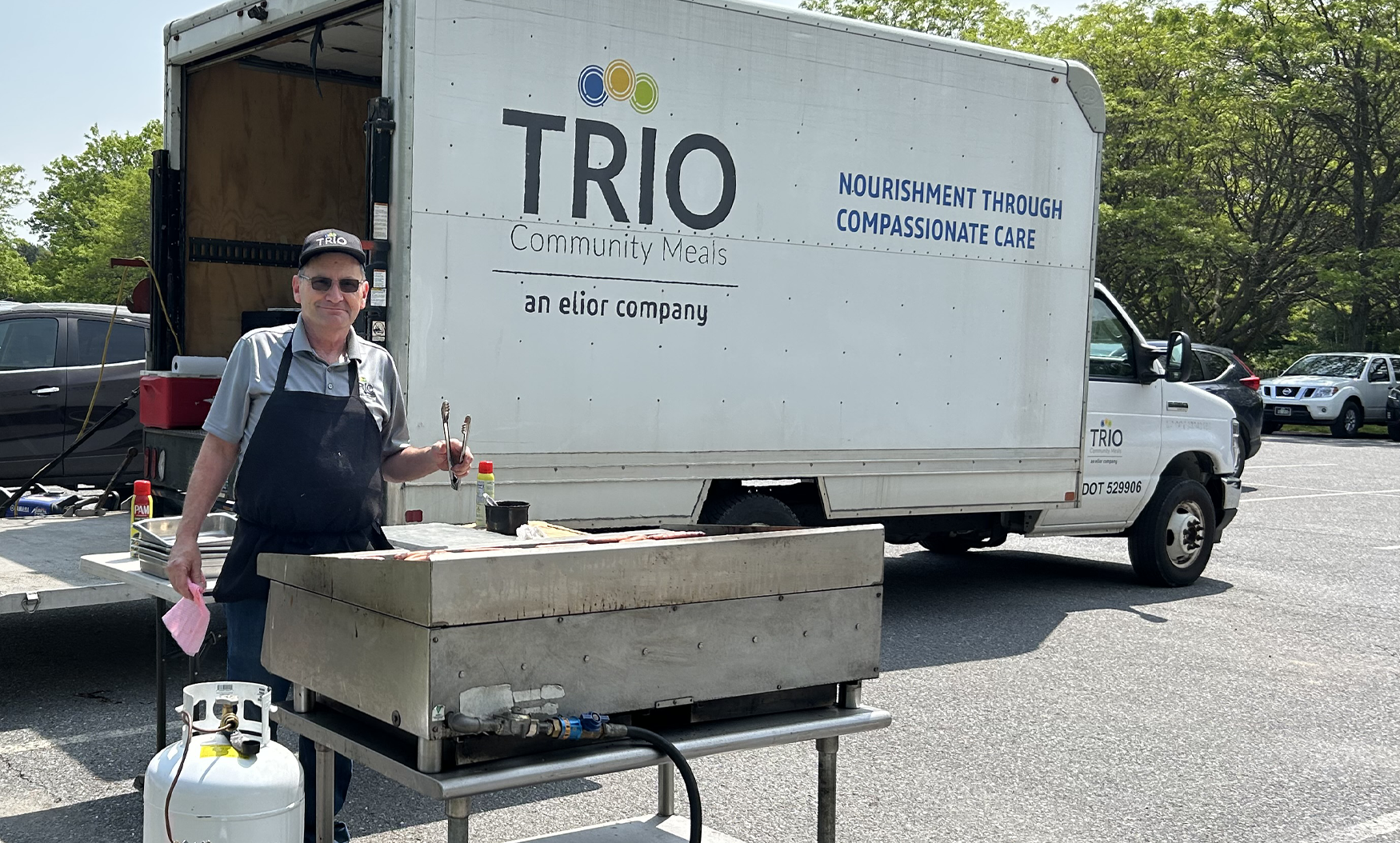
At its core, community resilience is what happens when people refuse to let older adults go without; it’s the neighbor who delivers a meal, the local business that donates supplies, the volunteer who shows up week after week. It’s a shared belief that caring for older adults is a collective responsibility.
Through people, partnerships, and shared responsibility, we come together to ensure older adults have access to nutritious meals, social connections, and care, even in the face of challenges such as limited funding or resources. It’s about reframing support as more than just donations, but as a combination of awareness, advocacy, and volunteer engagement.
Communities in Action: Showing Up Where It Matters Most
Community resilience is powered by collective impact. Across the country, senior nutrition programs are stepping up in meaningful and creative ways, and TRIO is proud to support them every step of the way.
Dignity Health, one of our partners in rural Northern California, hosts an annual Thanksgiving celebration for participants and their caregivers. In collaboration with TRIO’s Reno team and local volunteers, they served more than 200 guests. With warm meals, live music, and shared moments of joy, many attendees described it as the best Thanksgiving they had ever experienced.
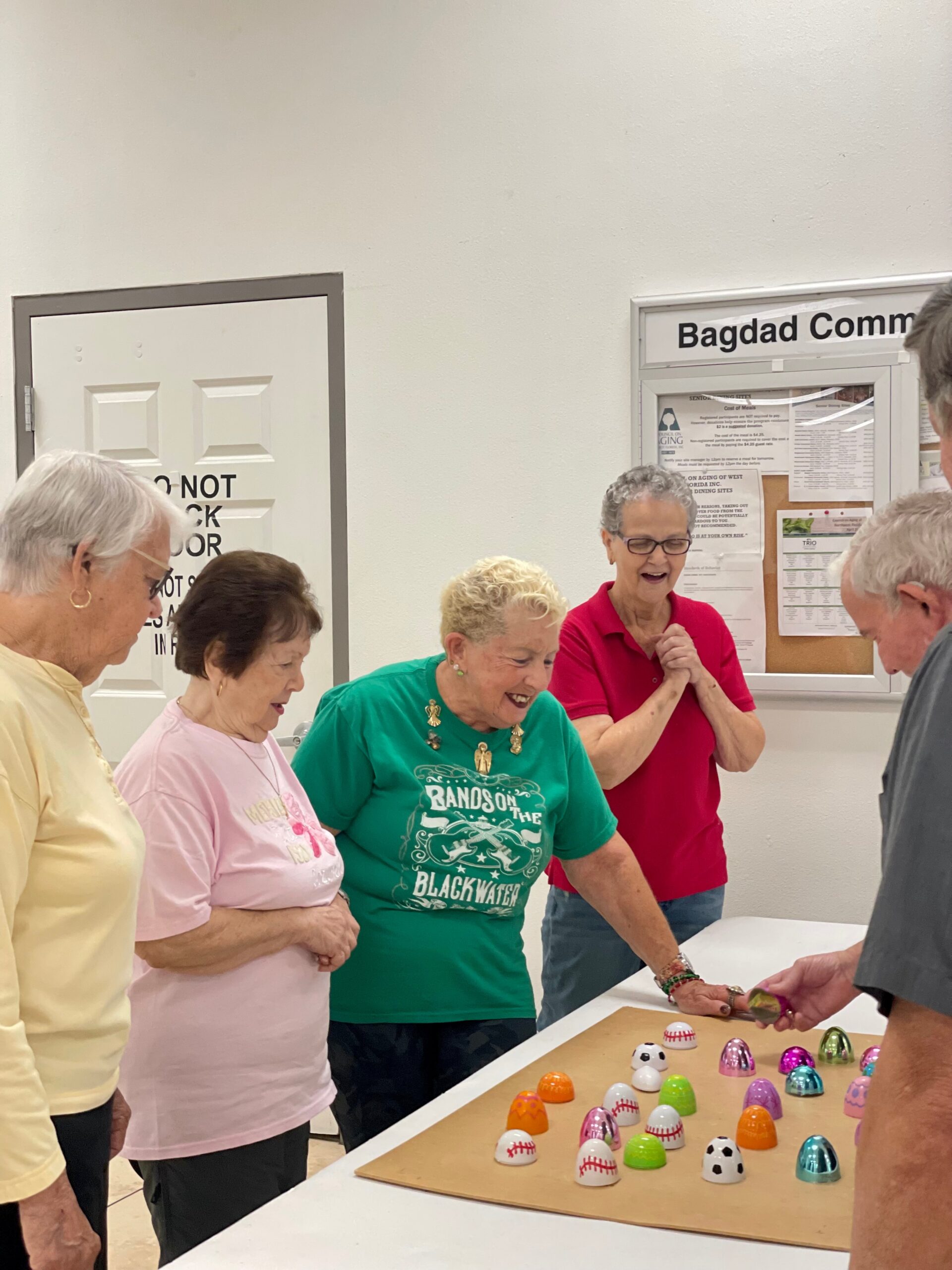
In rural Vermont, Age Well brings its community together through events like annual picnics and gatherings. These moments allow participants to connect with the TRIO team behind their meals, putting faces to the service and fostering genuine relationships that go far beyond food.
From Awareness to Action: Engaging Your Community
Community support doesn’t have to be complicated or resource-heavy. In fact, some of the most impactful efforts have started small. Senior nutrition programs can activate their communities by:
- Telling their story: Sharing participant experience, volunteer highlights, and behind-the-scenes moments on social media to build awareness and connection
- Engaging local partners: Collaborating with restaurants, grocery stores, schools, and community groups for events, donations, or volunteer support
- Creating low-lift opportunities: Inviting community members to participate in simple ways, like writing notes to meal recipients
- Empowering advocates: Encouraging board members, volunteers, and participants’ families to share the mission within their own networks
TRIO supports these efforts by working alongside programs, whether through operational support, culinary expertise, or helping create meaningful moments that engage the community. When programs feel supported, they can focus on building stronger, more connected communities.
Every Action Counts: Ways to Support Older Adults
There are simple, meaningful ways individuals can support senior nutrition programs and ensure older adults receive the care they deserve:
- Volunteer
- Donate
- Advocate
- Share content and raise awareness
- Check in on older neighbors or loved ones
- Support local senior centers and community meal programs
- Participate in community drives or service efforts
- Encourages others to get involved
Small actions can make a meaningful difference. As programs continue to face funding and resource challenges, community resilience plays a critical role in keeping services strong and sustainable.
The Ripple Effect of Supporting Older Adults
When communities invest in supporting older adults, the impact extends beyond the individuals receiving meals; it strengthens the social, economic, and emotional state of the entire community. Senior nutrition programs are not just service providers; they are essential connectors that support older adults to remain healthy, independent, and engaged.
Access to consistent, nutritious meals reduces hospitalization, supports chronic disease management, and allows older adults to age safely in place. This lessens the strain on healthcare systems and caregivers, creating a ripple effect of stability across families and local resources. Meal deliveries often double as wellness checks, friendly conversations, and moments of connection that combat isolation and loneliness.
There’s also an intergenerational benefit. When communities come together around older adults–through volunteering, partnerships, or advocacy–they foster a culture of empathy and share responsibility. Younger generations gain a greater understanding of aging, while older adults remain visible, valued, and connected to members of the community.
Supporting older adults is a community-wide investment. When older adults are nourished and supported, communities become more resilient, more connected, and better equipped to care for one another at every stage of life.
A Stronger Community Starts with Action
Community resilience starts with people, and there’s a role for everyone to play.
Whether you’re a community member, local business, or organization, your support can make a meaningful difference in the lives of older adults. For senior nutrition programs, there has never been a more critical time to engage and mobilize your community.
At TRIO, we’re committed to partnering with programs to strengthen communities and ensure older adults are nourished, supported, and connected. Let’s build stronger communities together.